The JYPE program (Junior Year Program in English) at Tohoku University is an exchange program for third-year undergraduate students, with courses primarily taught in English. My exchange period lasted from October 2023 to August 2024. The program’s core course is IRT (Individual Research Training), and I had the flexibility to choose other courses, attending classes with students in their second and third years of English-taught programs.
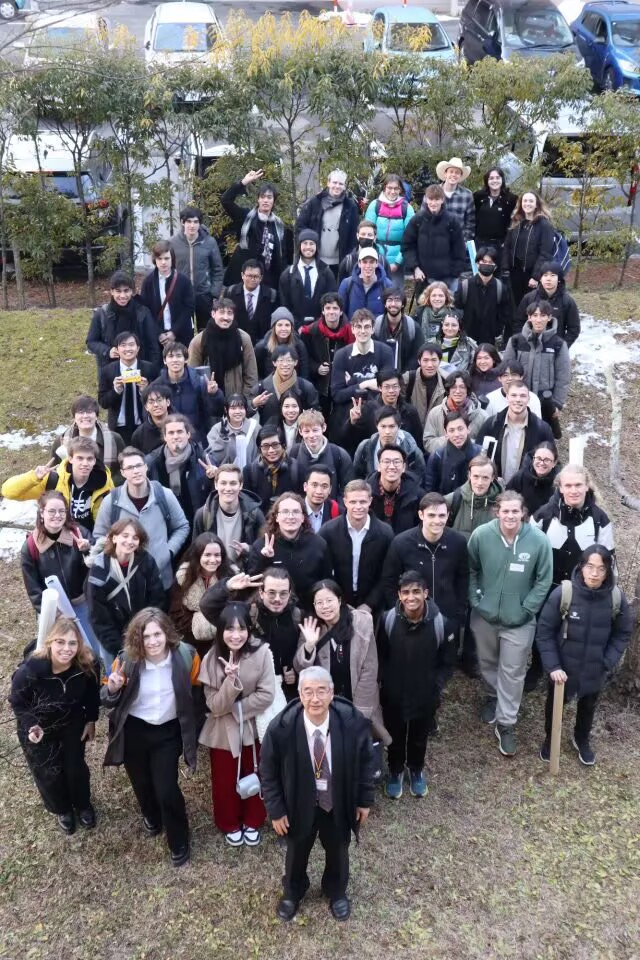
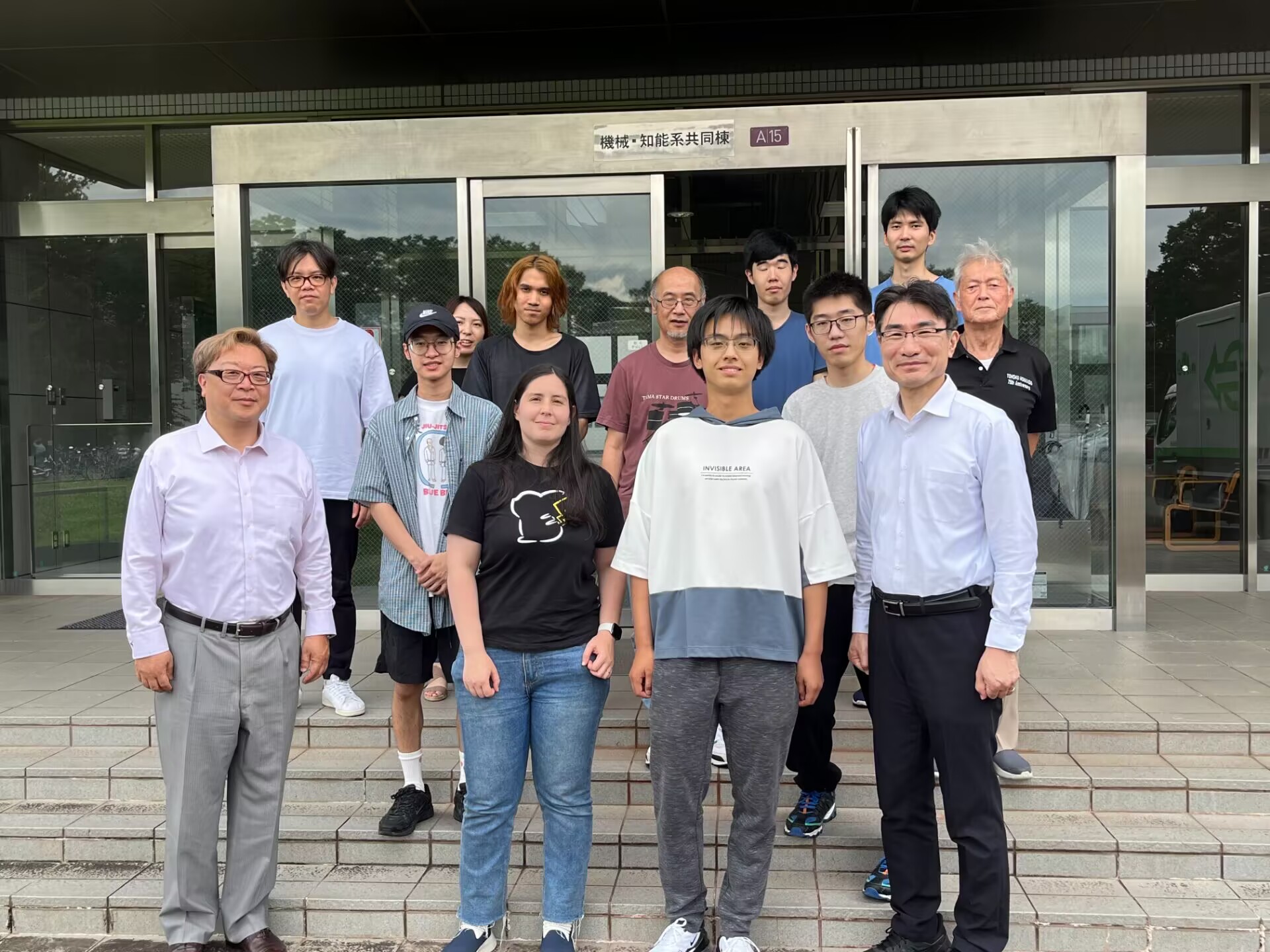
I joined Prof.Tanaka’s research group focusing on microelectromechanical systems (MEMS) and worked on a project related to the transfer of piezoelectric devices under the supervision of Andrea-sensei. This was my first time participating in a project from start to finish, encompassing proposal, refinement, experimentation, and writing, making it a significant learning experience for my personal development.
During the first semester, Andrea-sensei’s idea was to use traditional MEMS fabrication techniques, such as prolonged hydrofluoric acid etching of the silicon dioxide layer, to achieve a Silicon on Nothing (SON) structure and then transfer the thin film using PDMS. Still, this process was highly complex (more intricate than those of most Ph.D. students in the group) and had low yield, posing considerable challenges. However, this also provided me with the opportunity to learn the entire cleanroom processing workflow, including mask design, fabrication, photolithography, deep silicon etching(DRIE), sputtering, Ion beam milling, physical and chemical vapor deposition(PVD and CVD), dicing, and observation using optical microscopy, SEM, and infrared microscopy. The initial learning phase was intense, requiring me to master two to three new techniques weekly and apply them immediately while ensuring accuracy. Andrea-sensei patiently guided me through the equipment operations, helping me adapt quickly to the laboratory environment.
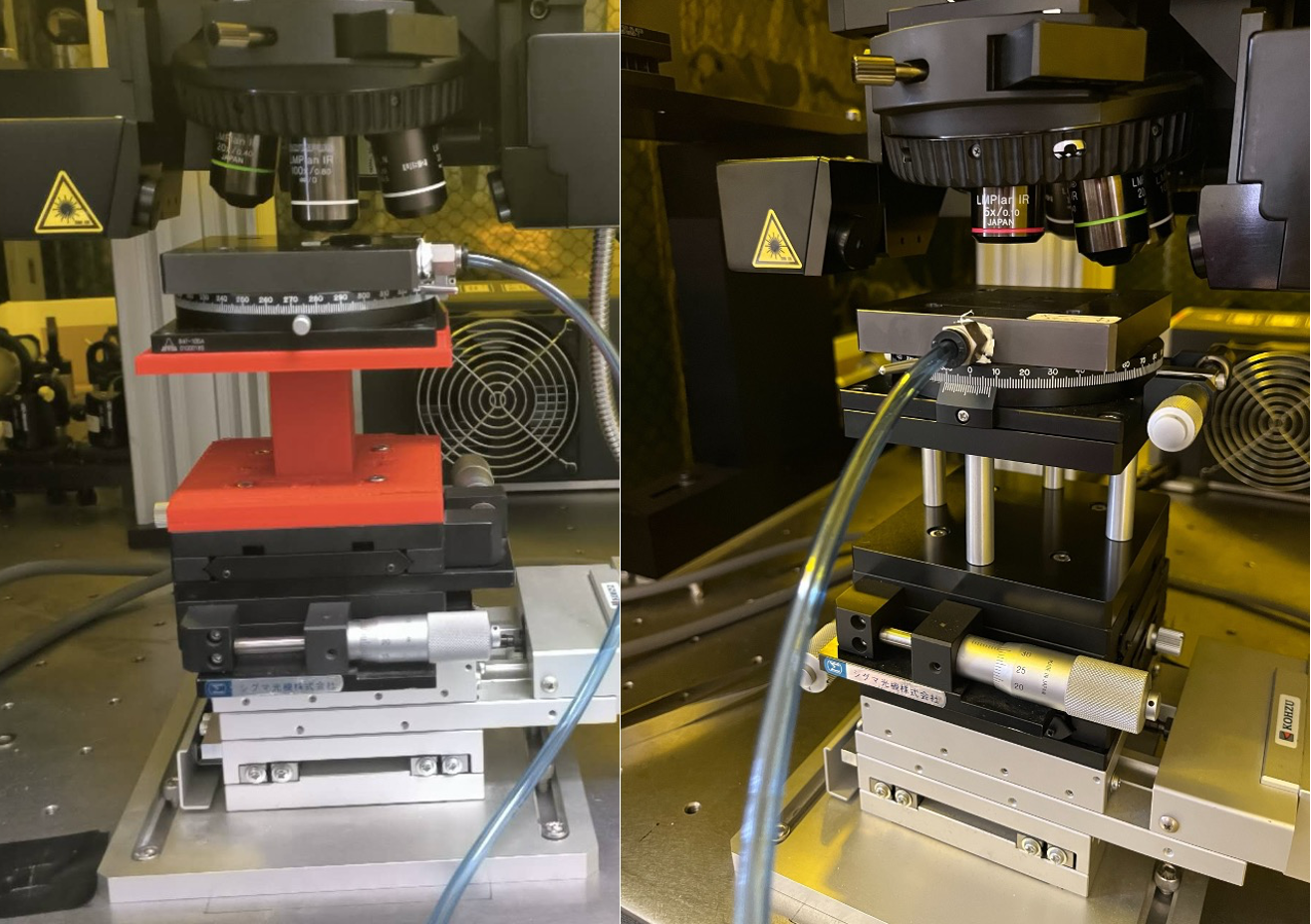
At the end of the first semester, I successfully fabricated my first batch of samples. However, due to poor transfer quality, the results were inconsistent. Professor Tanaka proposed switching to laser stealth dicing to create hollow silicon structures and separate the thin films using shear force. The stealth dicing laser system, which Professor Tanaka assembled himself over 20 years ago, required significant upgrades due to aging components. Andrea-sensei and I spent two weeks installing an X-Y axis stepper motor, replacing various mechanical parts, and designing and printing some components ourselves, later replacing them with metal versions. The software issues were even more challenging than the hardware ones, and after completing the hardware upgrades, we spent nearly a month developing a driver compatible with the laser system.
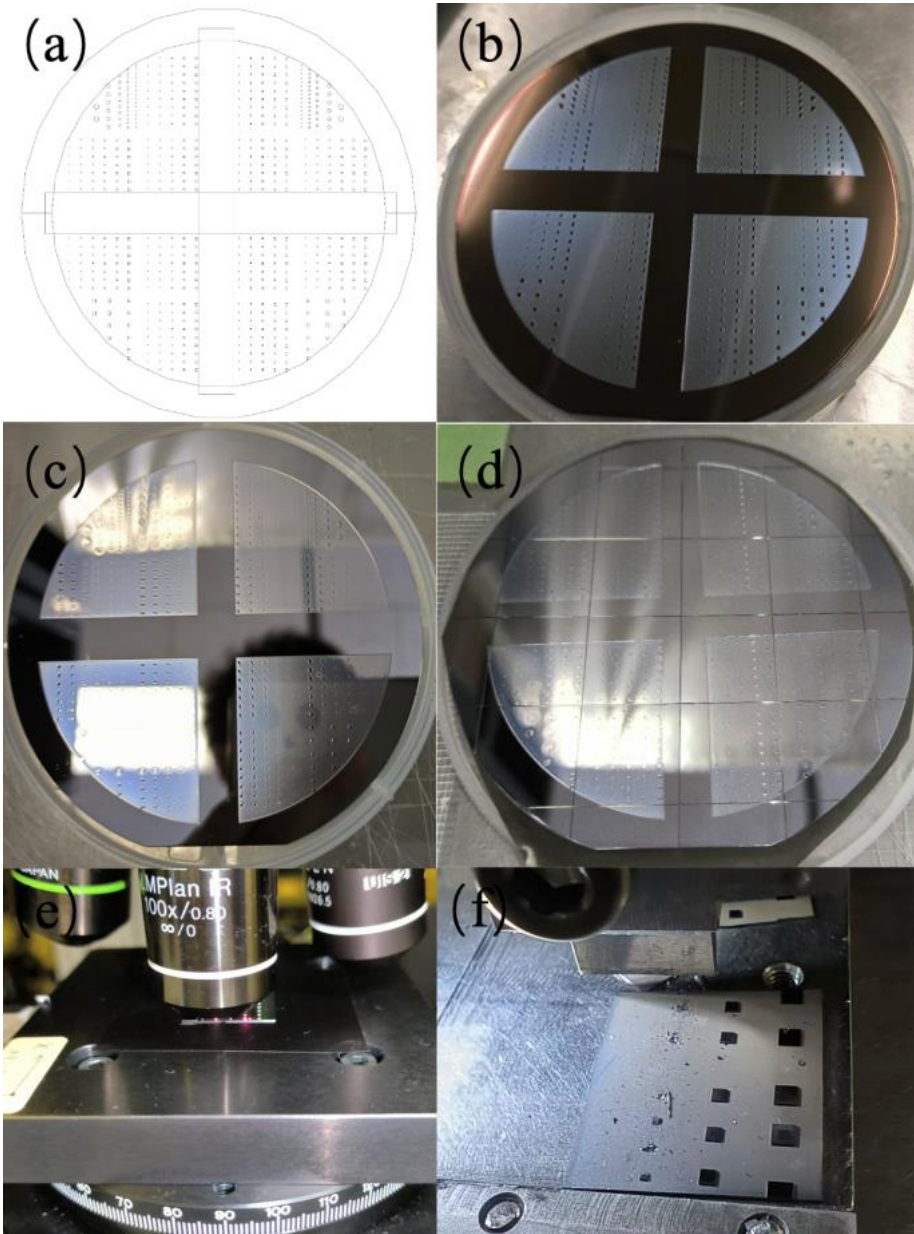
After resolving the equipment issues, I fabricated multiple samples using photolithography, DRIE, and dicing, disrupted their internal structures with nanosecond laser, and applied shear force to separate the silicon layers. I identified several laser parameters significantly affecting the shear stress and captured some intriguing images under the microscope. Two months before I left, Professor Tanaka encouraged me to submit my research to a conference, and I chose the 37th International Microprocesses and Nanotechnology Conference(MNC2024) held in Kyoto in November. During my second-to-last group meeting, Professor Tanaka suggested that the research results were sufficient for a journal publication, which led to the paper I am currently preparing for submission.
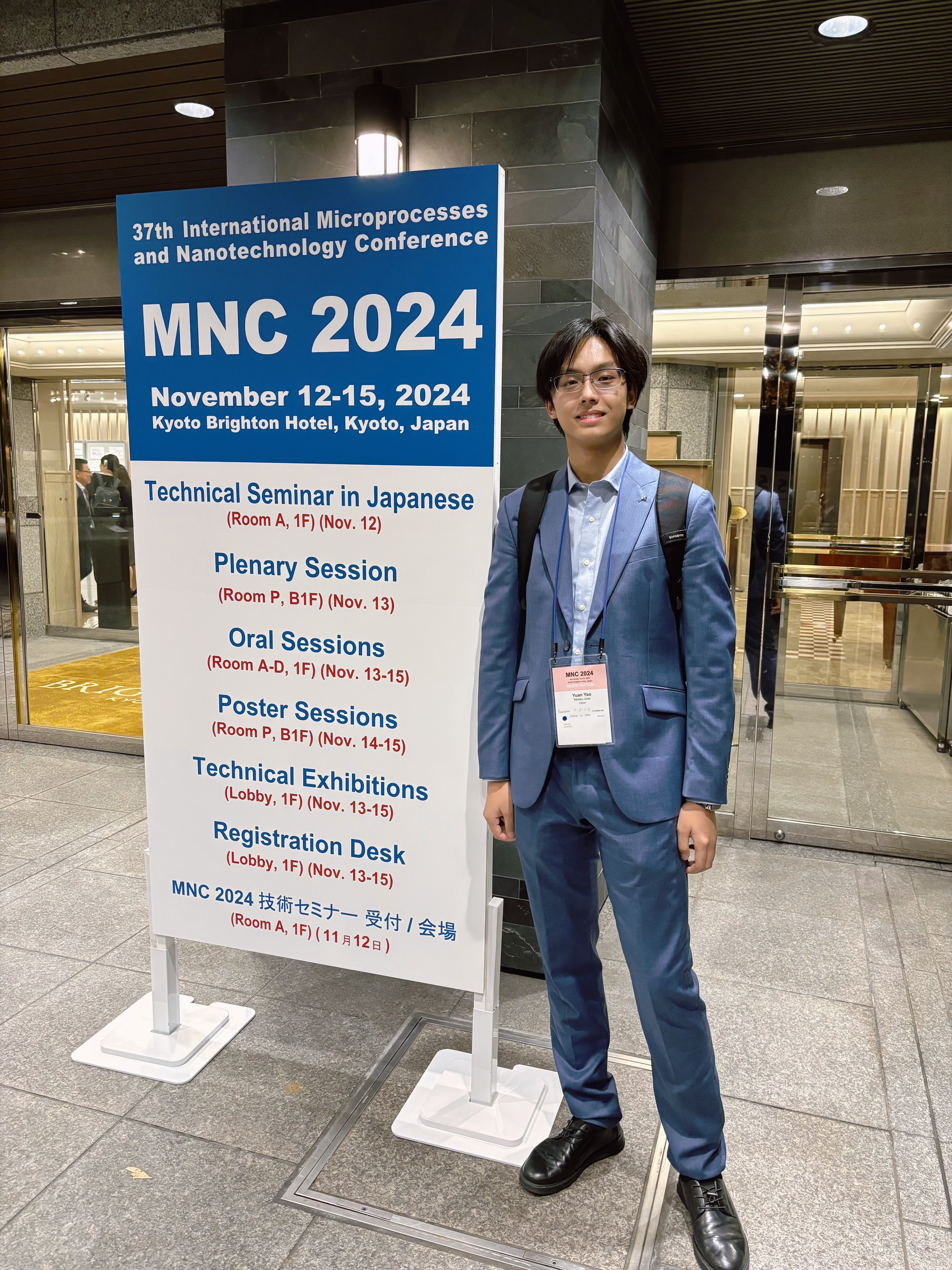
My conference paper was eventually accepted as an oral presentation. Although I returned to China in August and could no longer use Tohoku University’s budgets, Andrea-sensei generously covered the conference registration and accommodation fees out of pocket (notably expensive during Kyoto’s autumn foliage season). On her recommendation, I also attended the conference banquet, where I met several interesting individuals, including doctoral students with similar research interests, newly appointed assistant professors looking for students, and a French researcher passionate about Japanese cuisine. The oral presentation was well-received, with a researcher from Hitachi expressing significant interest in my work, asking numerous questions, and exchanging contact information with Andrea-sensei during the author discussion session.
Currently, this paper has been submitted to the IEEJ Transactions on Electrical and Electronic Engineering. Published (2025.8)
In addition, due to the limited information available online about exchange students, I have detailed my application experience here for reference.Video collection link