The 15th “Higher Education Cup” National University Students’ Advanced Graphic Technology and Product Information Modeling Innovation Contest was the first competition I participated in during my freshman year, and it is also the only competition where I won a national-level award. It left a deep and lasting impression on me.
My first encounter with this competition was during the Engineering Drawing course, where our teacher introduced us to the competition. Without giving it much thought, I signed up with a “why not give it a try” mindset. The competition mainly tested participants’ understanding of engineering graphics as well as their proficiency in 2D and 3D modeling software. In class, we had learned modeling tools of AutoCAD and CATIA. However, through this competition, I came to know that there is actually a wide variety of CAD software available, such as Zhongwang CAD, CAXA, SolidWorks, UG, ProE, Rhino, and many others. Looking back now, although I didn’t fully master CATIA, SolidWorks ended up being the software I am most comfortable with. This seems to be a common experience among many participants—being able to proficiently handle the modeling, assembly, and drafting processes in one or two CAD software tools.
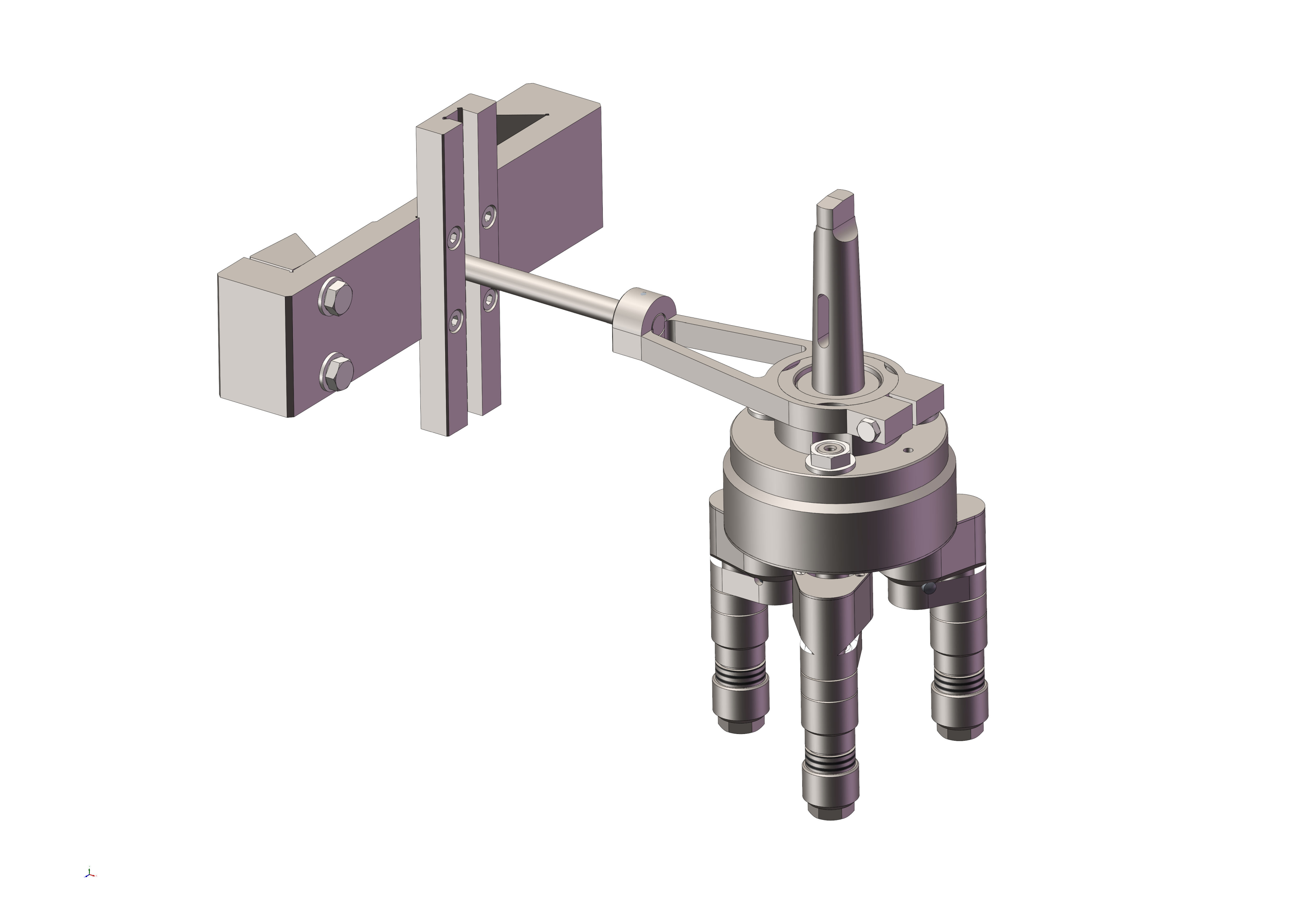
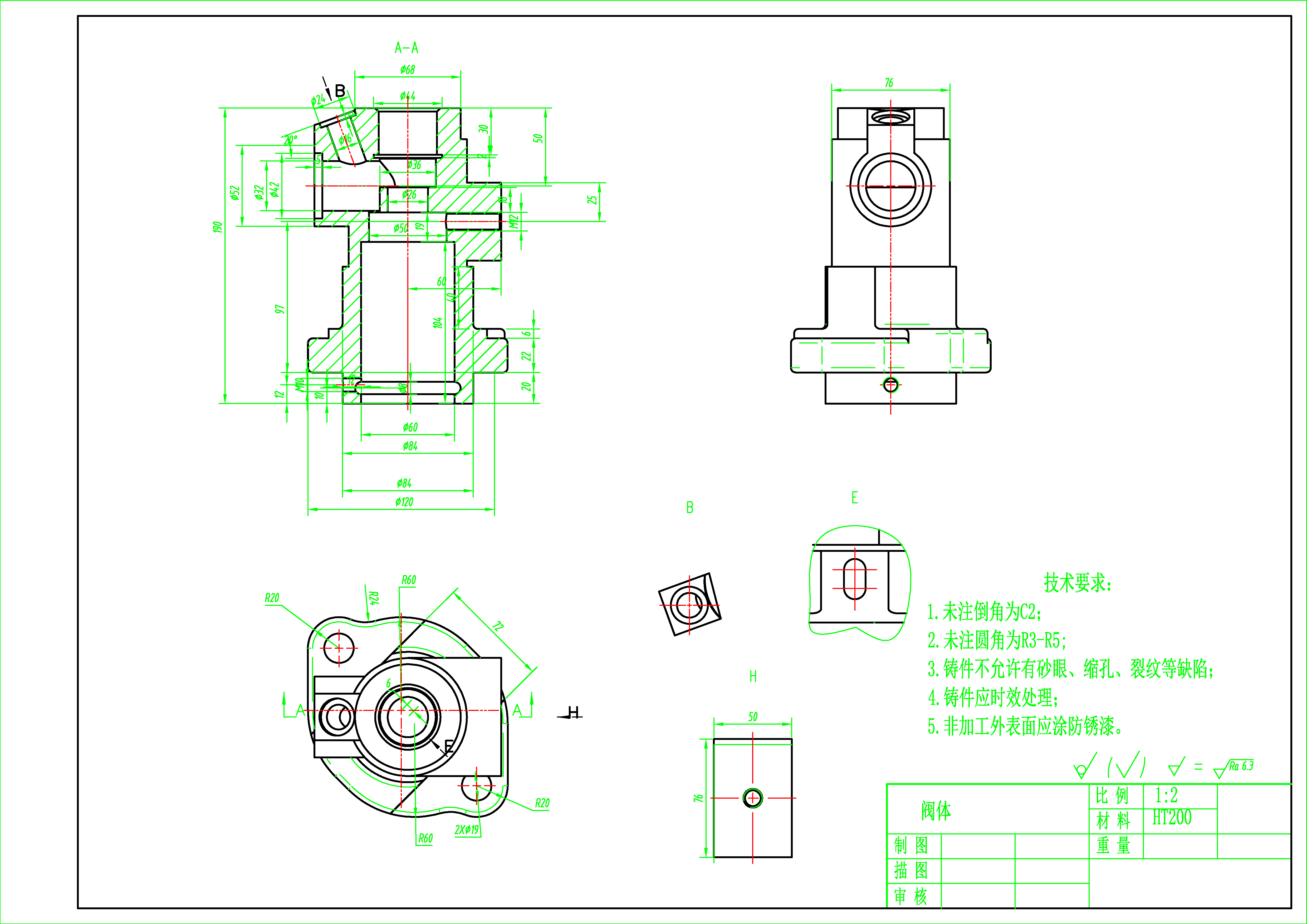
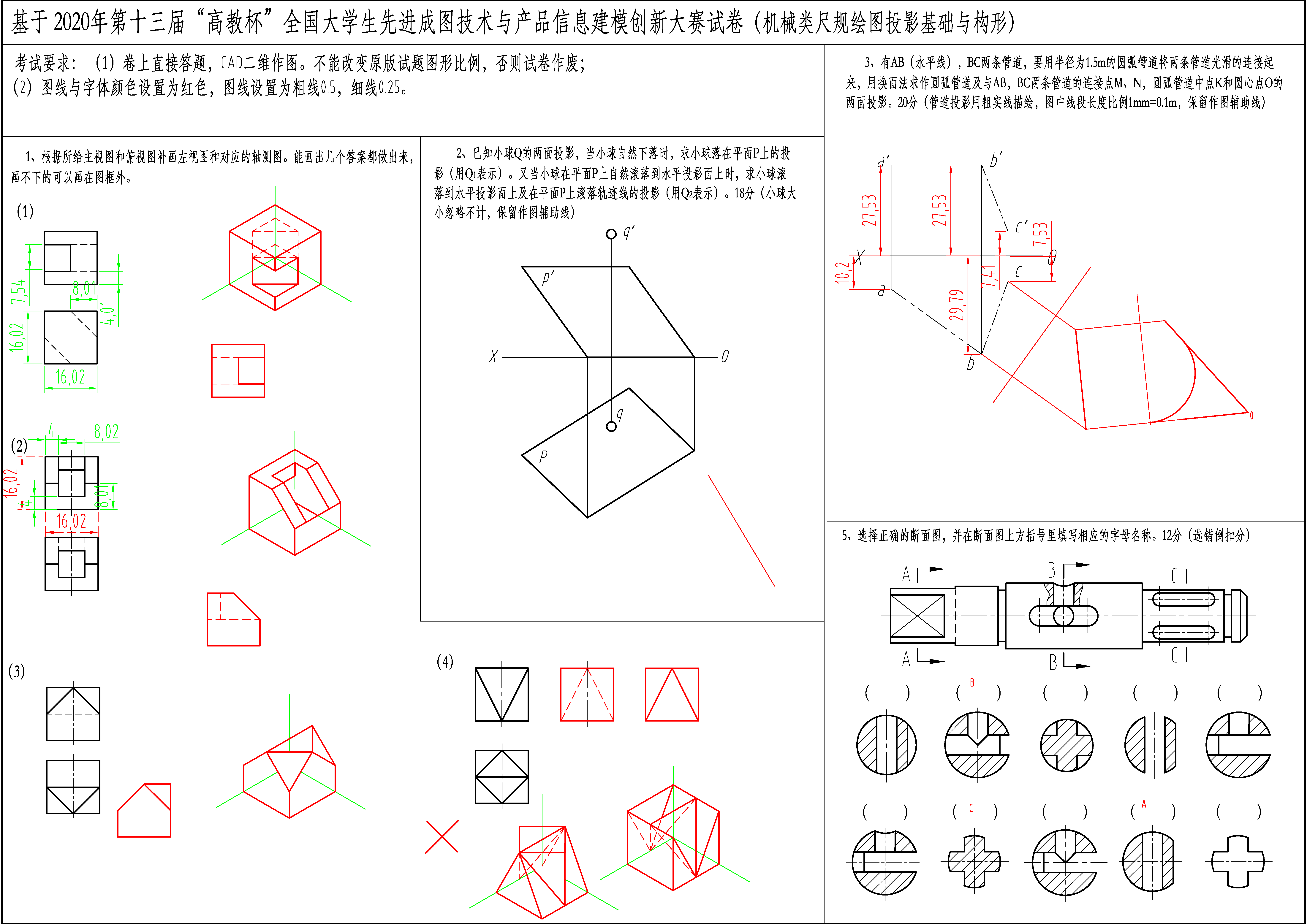
Here are some of the models I built and the engineering drawings I produced. This competition was significantly more challenging than our regular exams, which made the three related engineering drawing exams much easier for me—I achieved scores above 90 in all of them. Additionally, for the Engineering drawing course project, those of us who achieved a second prize or higher at the provincial level in the competition were directly exempted from the course (which meant an extra two weeks of vacation during the winter break). More importantly, this competition gave me some understanding of typical structures in engineering and helped me begin to grasp the relationship between manufacturing and design. It also helped me build a foundational awareness of engineering.
The high grades in the related courses were backed by training that went far beyond what was required to achieve those grades. The time spent preparing for the provincial and national competitions was probably the hardest I ever worked during university. During the summer between my freshman and sophomore years, I spent every day from the moment I woke up drawing and modeling. One of the most vivid memories from that time was a trip to Hangzhou with a friend—I kept working on my drawings every evening and even while on a boat on West Lake. Looking back, it was a tough yet interesting experience. Over that summer, I built around a hundred assembly drawings in total. In fact, the so-called course project was just one of those assemblies.
Our cohort performed quite well in the competition. Every participant in the national competition won an award, and the school approved the establishment of a “3D Maker Base” the following semester. It’s a semi-official club that now attracts around 30 to 40 outstanding students each year. The main activities of the club focus on training, with lessons taught by teachers and former competition winners like us. I delivered three or four lectures myself, partly to earn volunteer hours and partly because it was genuinely rewarding to see the competition grow stronger each year at our school.
We also discovered and shared many software usage tips and functions that are not widely covered online. The process of exploring and sharing this knowledge was both enjoyable and enriching. Later, I recorded the content I taught and uploaded it to Bilibili. When I was learning software, I benefited a lot from resources on Bilibili, so I wanted to contribute my own understanding to help others. As of now (January 2025), those videos have accumulated over 40,000 views.Video collection link.What made a deep impression on me was that some teachers from other universities even came to the comment section of the videos to ask questions. It felt like a true embodiment of the saying, “The rose’s in her hand, the flavor in mine.”